 STAGE
STAGESee what AI says about your brand.
What happens when someone asks an AI assistant about your brand? Does your message stay together? Does it splinter, or go to a competitor? Cast Iron LA created Stage30™ to keep a brand’s message intact when the engines (ChatGPT, Perplexity, Claude) retell it.
How is Stage30™ different from other GEO tactics?
A creative agency built it.
Why would a creative agency build an AI tool? Because it’s the work we’ve done since 1996, aimed at a new reader, and the hardest one to reach. John Otto Barbush and Luis Emilio Ramirez built Honda’s first website at RPA that year. Every campaign since comes down to the same questions. What’s the voice? What’s the message? And how does it survive every placement intact?
An AI assistant answers those questions for a brand across the whole web, in one paragraph. That’s a campaign. Just one most brands never briefed.
Stage30™ is how Cast Iron LA, a Los Angeles creative agency, briefs it. Authorship puts a named person behind the claim. Clarity proves the one line. Placement puts that line where the engines read. The engines get a claim they can confirm. People get a reason to pick the brand. One message, intact everywhere it runs.
How often do you get to work with the people who built the software? Rarely. With Stage30™, the two people who wrote the canon and built the engine read your audit and walk you through it.

Thirty years of copy for Honda, Acura, Discovery, VH1 and Hilti. Built a 25-person social creative team at RPA from nothing. Cannes, Clio, One Show, Webby. He has judged the Webby and Addy awards. Wrote the Stage30™ canon.
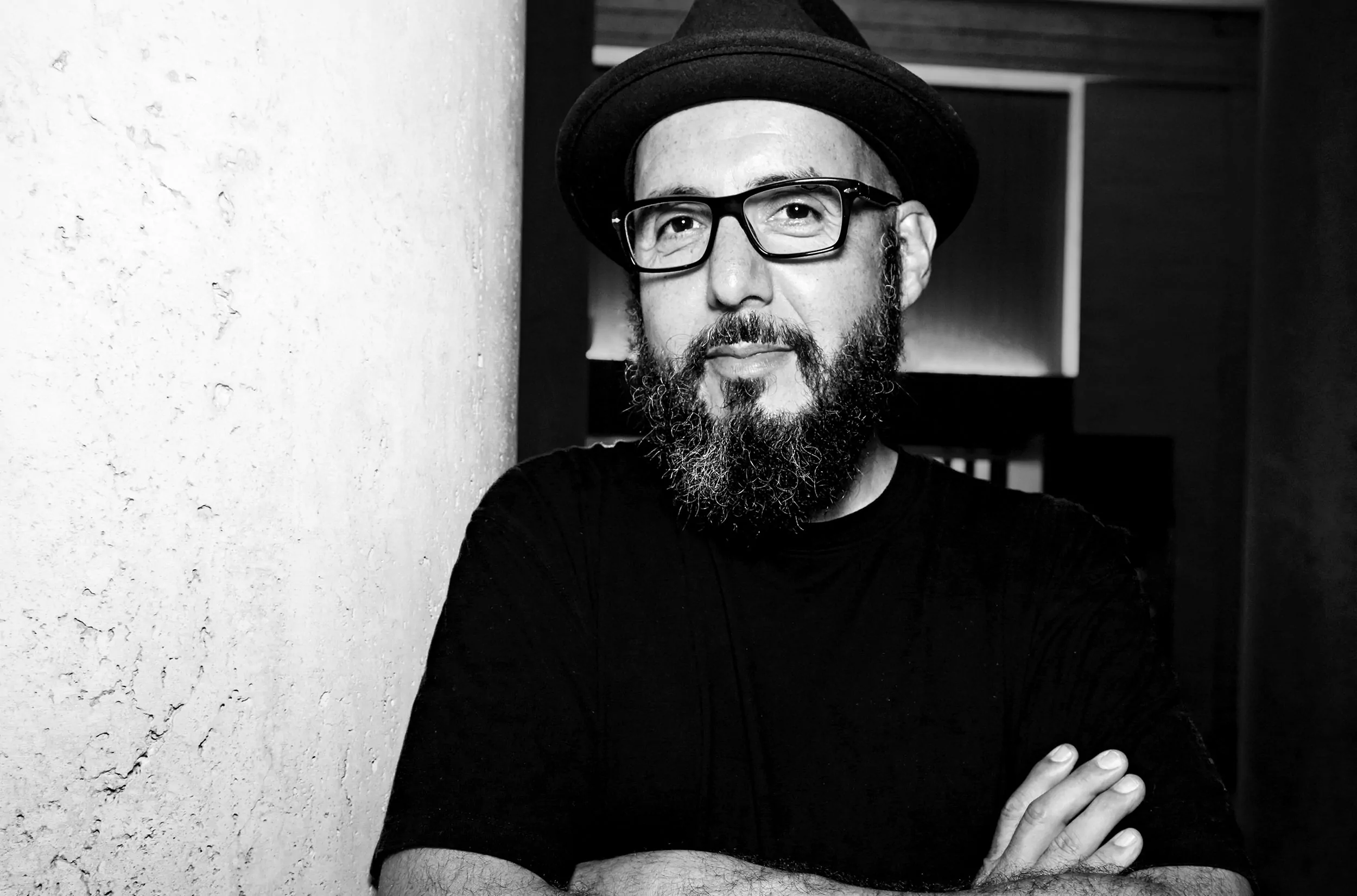
Thirty years in advertising. At RPA he art directed Honda, Pioneer, Pentax and VH1. His Honda.com redesign won a One Show Gold Pencil and held the number one J.D. Power spot six years running. Built the Stage30™ console. He teaches at Otis.
707 canon rules across 23 documents and 13 surfaces, 506 of them enforced by an engine that asks three live AI engines what they say about a brand. 2,029 passing tests. STAGE30 published for opposition on 1 September 2026, serial 99719523.
Most GEO agencies tell a brand whether it got cited. Stage30™ tells the brand why, and what to change. The engines name a brand more easily when its message reads the same way across the places they read.
Run the checkWhat the Stage30™ check shows.
Three engines, word for word.
- Three answers, word for word. ChatGPT, Perplexity and Claude each get the buyer’s question, live. Stage30™ prints every answer in full.
- Whose name came back. Which brands each engine named, in what order, and whether the brand made the answer at all.
- A resolution score out of 100. Resolution is how clearly the engines can say who a brand is. The score comes with its band and the range the same page reads across repeated runs.
- The sources behind each answer. Each page the engines drew on, with its publisher named. A brand sees who else is writing its message.
- What each engine reads, and what moves it. One card per engine: where it gets its results, whether it can reach the brand’s site, what it rewards, and how hard it is to move. Stage30™ visits the site as each AI crawler, under that crawler’s published name, so a door closed to one engine shows up as a fact.
- Two fixes, named and priced. The two highest-leverage fixes from the run, with the evidence behind each and what they cost. The rest are counted, not named.
Common questions about AI you may not know to ask.
Why doesn’t AI mention my brand when someone asks about my category?
An engine picks the brand it can name, source and repeat without hedging. When the only material about a brand sits on the brand’s own site, the engine has little to retell. The Stage30™ check shows which sources the engines used and where the brand is missing from them.
Why does ChatGPT recommend my competitor instead of me?
ChatGPT found more about the competitor that it could check. An engine builds a recommendation from the sources it can reach. The competitor shows up in the places the engine reads, and the brand shows up mainly on its own site. The Stage30™ check shows which sources the engine pulled the competitor from, and whether the brand appears in any of them.
Is AI search the same as SEO?
No, and the difference is the list. SEO competes for a spot on a page of links, where the buyer still chooses. The engines return one answer, often with no list at all, and the brands named inside that answer are the whole field. A site can rank first on Google and go unnamed by the engines, and Stage30™ sees it on real runs.
Does SEO still matter for AI answers?
Yes. Most engines start from pages a search system has already found, and Google says the same SEO basics apply to its AI answers. Google’s AI answers run many related searches behind one question, so a page that answers a narrow question can make the cut even when it would never rank for the broad term. The old tricks stopped paying years ago: Google now discounts bought links and filters out mass-produced pages. The work that holds up is the same for Google and the engines: a specific page, a consistent message, and other sites that confirm it. Milk Sandwich, an apparel brand Cast Iron LA incubated, moved from an average Google position of about 13 to about 7 after its Stage30™ build. (Google Search Console, February to May 2026.)
How do I know if ChatGPT is mentioning my brand?
Ask ChatGPT the buyer’s question more than once and write down what came back. One ask is an anecdote. The engines build each answer fresh, so the same question can name a brand on Tuesday and skip it on Wednesday. In one Stage30™ study, the same question about one brand ran 35 times on dated runs and read anywhere from 32 to 70. That’s why Stage30™ reports a range as well as a score, and dates every reading.
Is the Stage30 check really free?
Yes. Stage30™ writes a buyer’s question from the brand’s own page, puts it to three engines live, and quotes each answer in full. The check names who came back, links the sources the engines read and prices the two biggest fixes.
What does the Stage30 audit cost, and what comes with it?
The Stage30™ audit is $500, once. The audit opens every finding the check counted, prices each fix and orders the fixes by their expected effect on the answer. The plan is the brand’s to keep.
What is the Stage30 canon?
The Stage30™ canon is the rulebook behind every check and audit: 707 rules across 23 documents. Each rule was written after a real page, on a real run, went wrong. 506 of the rules are enforced in code, and 2,029 tests run on the engine every time it changes. Every number in a report ships with its source and its date, or it doesn’t ship.
How does Stage30 keep its own claims honest?
Every claim Stage30™ prints carries one of four labels. Observed means we ran it, and we name the engine, the question and the date. Reported means somebody else measured it, and we name who and when. Inferred means it’s our read, and we say so. To be tested means a dated hypothesis: change the page and ask again. A second AI model, one that didn’t write the document, reads every Stage30™ document before it ships.
Does Stage30 promise a ranking?
No. The engines write each answer fresh, and nobody controls them. Nobody knows exactly what an engine will do next, so Stage30™ asks, writes down what came back, changes one thing, and asks again in front of the client.
What it costs.
Free, then $500, then priced per fix.
The Stage30™ check puts one buyer’s question to three engines and shows each answer in full, with its sources.
The audit ranks what to change in those sources, with a price on each fix. We walk through the Stage30™ audit on a thirty-minute call. The brand’s team can run the plan, or Cast Iron LA can.
Cast Iron LA writes the sources the brand picks from the Stage30™ audit. Stage30™ runs the check again after the build ships.
We create stories
AI can retell.
Cast Iron LA has spent thirty years making messages survive being retold, from a thirty-second spot to a banner. Stage30™ is that craft, written for the engines. We write the sources a brand controls, in the brand’s own voice, so the answer AI gives sounds like you.
About Stage30™
Stage30™ is a methodology from Cast Iron LA for keeping a brand’s message intact when the engines retell it. Stage30™ covers the moves a brand can make across 13 surfaces, from its own pages and code to Wikidata, reviews, forums and trade press. STAGE30 is a U.S. trademark application, serial 99719523, published for opposition on 1 September 2026. A patent application is pending.
About Cast Iron LA
Cast Iron LA is a senior creative agency in Los Angeles, founded by John Otto Barbush and Luis Emilio Ramirez. The two have been partners since 1996, both out of RPA Advertising. John’s work has won three Cannes Lions, two Gold and one Bronze. Cast Iron LA builds Stage30™ alongside its client creative and strategy work.